COMMERCIAL INSURANCE / OREGON

RandeeHamilton

Commercial insurance, explained in plain English.

I’m a commercial insurance professional based in Corvallis, Oregon. I created this site to help contractors, business owners, property owners, and HOA boards understand common insurance concepts and prepare better questions for their own insurance professionals.

CORVALLIS, OREGON COMMERCIAL INSURANCE EDUCATION
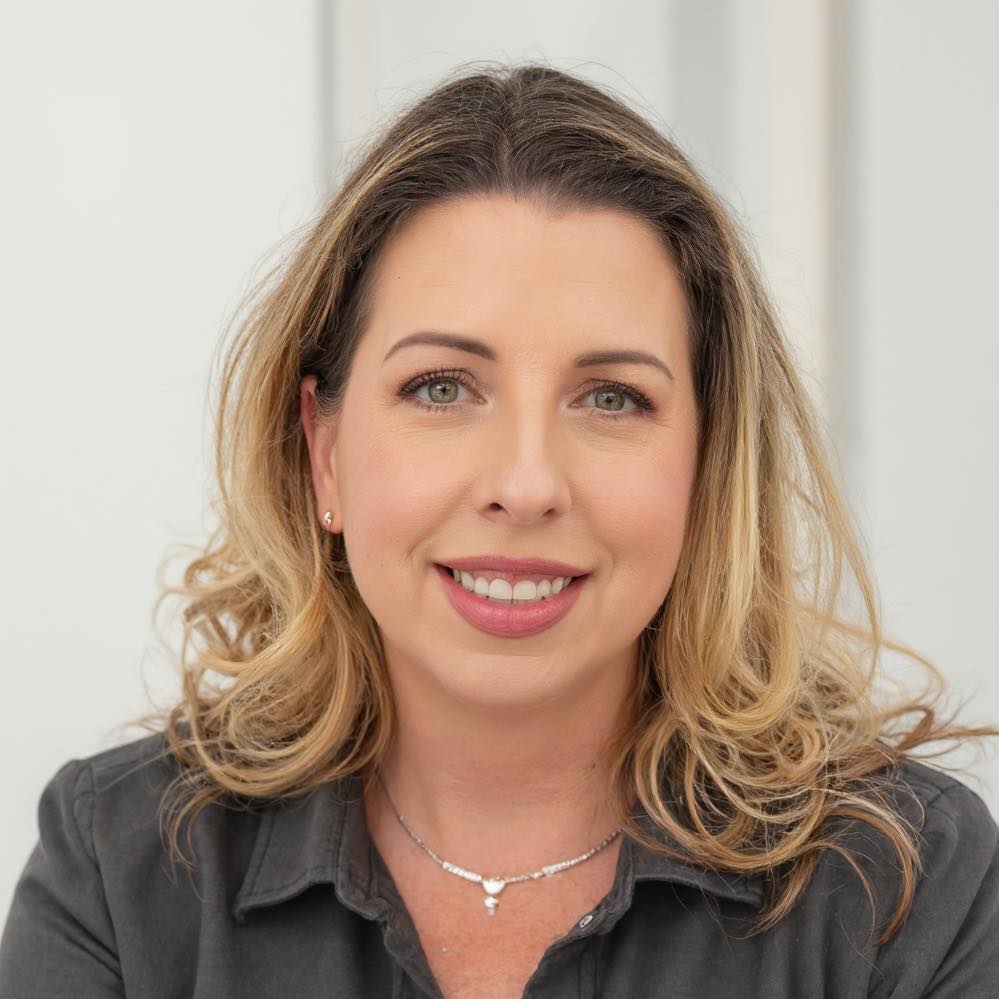
Randee Hamilton smiling
Randee Hamilton Commercial insurance professional
UNDERSTAND COMMON COVERAGES LEARN THE TERMINOLOGY PREPARE INFORMED QUESTIONS

02 / MEET RANDEE

My approach begins with listening.

TEXAS → OREGON

Originally from Austin, Texas.
Now at home in Corvallis, Oregon.

Before entering commercial insurance, I spent more than a decade in hotel management. That experience shaped how I work: listen carefully, understand the situation, and explain the next steps clearly.

Insurance can be difficult to follow, even for people who run successful businesses every day. Asking for a clearer explanation is reasonable. Understanding a policy should not require pretending you already know the terminology.

My professional interests include contractors, small businesses, commercial property, and habitational risks—the insurance questions surrounding places where people live, such as rental properties and condominium communities. This site shares general education on those subjects, rather than recommendations for an individual business or policy.

Outside of work, I enjoy running, hiking, and camping with my dog, Rigel. Oregon is home now, and being part of the local community matters to me as much as the work itself.

Randee Hamilton BASED IN CORVALLIS.
COMMERCIAL INSURANCE PROFESSIONAL.

03 / COVERAGE BASICS

What common coverages are designed to do.

These introductions explain the purpose of common coverages and suggest questions to discuss with your insurance professional. They do not determine whether a specific claim is covered.

01 General liability Liability claims involving injury or damage to someone else’s property.

General liability insurance may respond to covered claims for bodily injury, property damage, and certain other liabilities associated with a business. It does not cover every type of liability; policy terms, exclusions, and limits matter.

A question for your insurance professionalHow does my policy address liability arising from my operations and completed work?

02 Commercial property Physical loss or damage to insured business property.

Commercial property insurance may cover buildings, equipment, inventory, and other insured property when damaged by a covered cause of loss. The valuation method, covered causes of loss, deductibles, and exclusions affect how a claim is handled.

A question for your insurance professionalHow is my property valued, and what causes of loss are excluded?

03 Workers’ compensation Benefits for employees with work-related injuries or illnesses.

Workers’ compensation generally provides benefits for covered work-related injuries or illnesses, including medical expenses and a portion of lost wages. State requirements and the treatment of owners, employees, and subcontractors can differ.

A question for your insurance professionalHow are my employees, owners, and subcontractors treated under the applicable requirements and my policy?

04 Commercial auto Insurance for vehicles used in business operations.

Commercial auto insurance can include liability and physical damage coverage for specified vehicles. Coverage depends on vehicle ownership, business use, drivers, and the policy’s terms. Employee-owned or rented vehicles may raise separate coverage questions.

A question for your insurance professionalHow does my policy address owned, rented, and employee-owned vehicles used for work?

05 Builder’s risk Property insurance for a project during construction.

Builder’s risk insurance may cover insured materials and work in progress against specified causes of loss. Project responsibilities, covered property, exclusions, and the conditions that end coverage vary by policy.

A question for your insurance professionalWho is responsible for insuring the project, and what events cause coverage to end?

06 Umbrella & excess liability Additional liability limits above specified underlying policies.

Umbrella and excess policies can provide additional limits for covered liability claims above designated underlying insurance. The two terms are not interchangeable: policy wording determines what is covered, excluded, and required of the underlying policies.

A question for your insurance professionalWhich underlying policies are included, and how do the exclusions and coverage terms compare?

General education only. These summaries are not policy interpretations, coverage recommendations, or guarantees. Actual coverage depends on the policy issued, including its terms, conditions, limits, and exclusions.

A useful explanation should leave you better informed—and comfortable asking the next question.
MY APPROACH TO INSURANCE EDUCATION

04 / PLAIN-ENGLISH GLOSSARY

Insurance terminology, without the guesswork.

These general definitions provide context for reading insurance documents. The definitions and provisions in your actual policy take precedence.

Limit

The maximum amount payable under a particular coverage, subject to the policy’s terms. A per-occurrence limit applies to a single covered event; an aggregate limit caps the total for specified claims during the policy period.

Deductible

The portion of a covered loss assigned to the policyholder. A deductible may be a dollar amount or a percentage. How it applies depends on the coverage and policy wording.

Exclusion

A provision that removes coverage for a specified cause of loss, activity, property, or circumstance. Exclusions must be read alongside the rest of the policy, including endorsements.

Endorsement

A document that modifies a policy. It may add, restrict, remove, or clarify coverage. Reading the main policy without its endorsements can give an incomplete picture.

Additional insured

A person or organization given insured status under a policy for specified purposes. The relevant policy wording or endorsement determines the scope of that status; listing a name on a certificate alone does not create it.

Certificate of insurance

A document summarizing insurance policy information. It does not amend, extend, or create coverage, and it is not a substitute for the policy or its endorsements.

Premium audit

A review of figures such as payroll or sales used to calculate premium. When actual figures differ from the estimates used at the start of the policy period, the premium may be adjusted under the policy’s terms.

Replacement cost and actual cash value

Replacement cost generally reflects the cost to replace damaged property with property of comparable kind and quality, subject to policy conditions. Actual cash value generally accounts for depreciation. Definitions and settlement requirements vary by policy.

05 / A PRACTICAL STARTING POINT

Prepare for a more informed policy review.

Use these steps to organize a discussion with the licensed insurance professional who handles your coverage.

  1. 01

    Describe your operations.

    Explain what your business does, who performs the work, and what has changed since your last review.

  2. 02

    Review the documents.

    Have the policy, declarations, and endorsements available. Ask for an explanation of limits, deductibles, and significant exclusions.

  3. 03

    Discuss your responsibilities.

    Bring relevant contracts and information about your property, employees, and vehicles. Ask how those responsibilities relate to your insurance.

  4. 04

    Revisit important changes.

    Discuss changes in operations, locations, staffing, or projects with your insurance professional rather than waiting for renewal.

06 / CONTINUE LEARNING

Insurance education with a local perspective.

Follow my social channels for general insurance education, community connections, and a little Oregon life along the way.

ABOUT THE INFORMATION ON THIS SITE

For educational purposes only.

This website is not a solicitation, offer, or sale of insurance. It provides general information about commercial insurance and is not a recommendation for any particular person, business, policy, or coverage.

Nothing on this site changes a policy, binds insurance, or guarantees that a claim will be covered. Coverage, if any, depends on the terms, conditions, limits, and exclusions of the actual policy issued. For questions about your own circumstances, consult a licensed insurance professional who can review the relevant policies and facts.